Expert Retail Fit-Outs: Carpenters You Can Trust in Geelong
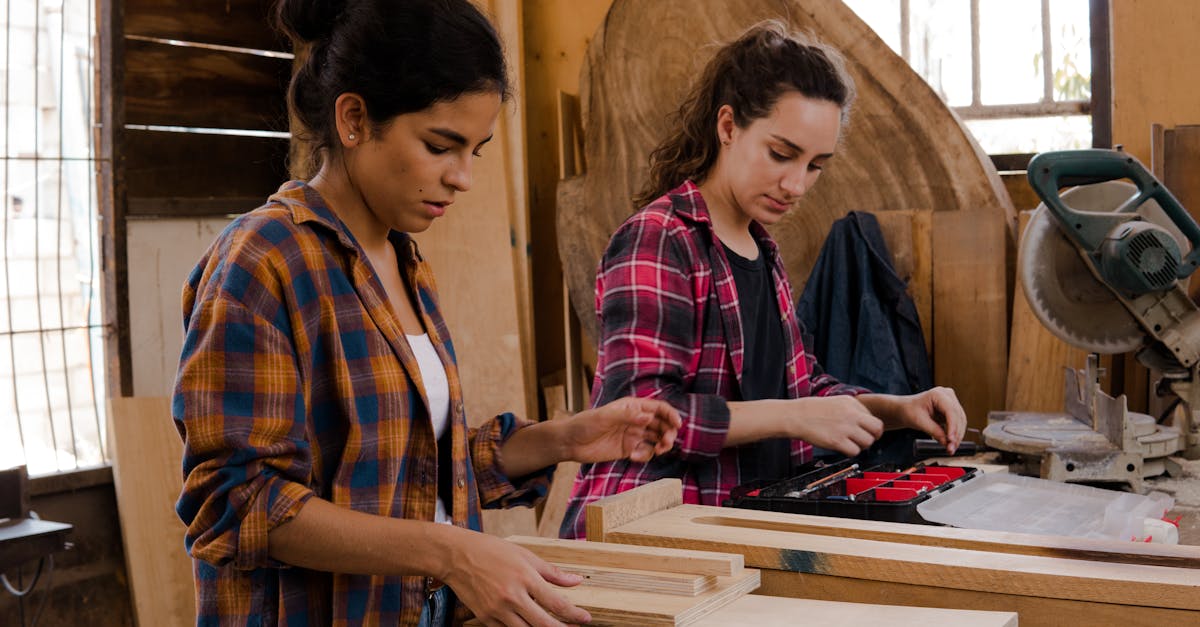
Table Of Contents
The Fit-Out Process Explained
The fit-out process begins with a comprehensive consultation where the project objectives are established. This discussion often involves understanding the retailer’s vision, target market, and specific requirements for the space. Project plans are then drafted, outlining the layout, style, and functionality of the retail environment. Getting a clear idea of the retailer's brand identity plays a crucial role in the design phase, ensuring the final fit-out aligns with the overall business strategy.
Once the design is finalised, the process transitions into the construction phase. Skilled carpenters and contractors work diligently to bring the vision to life, focusing on the quality of materials and craftsmanship. Regular communication between the project team and the retailer is essential during this stage, as adjustments may be necessary to meet evolving needs. Attention to detail and adherence to timelines help ensure that the fit-out is completed efficiently, setting the stage for a successful retail operation.
Step-by-Step Journey of Your Retail Project
The journey begins with an initial consultation, allowing you to discuss your vision and specific requirements. During this phase, discussions often revolve around your brand identity, target audience, and desired ambience. These insights help in crafting a tailored design that reflects your business's ethos while ensuring functionality and aesthetic appeal.
Following the consultation, detailed plans and layouts are developed. Collaboration between designers, architects, and carpenters is crucial during this stage. Regular reviews of plans ensure that the project aligns with your expectations. Once designs are finalised, the project transitions into construction, where timelines are established, and materials sourced. Communication remains key throughout this phase, allowing for adjustments as needed while keeping the project on track.
Budgeting for Your Fit-Out
A well-planned budget is essential for a successful retail fit-out project. Setting a clear financial framework ensures that all aspects of the fit-out, from design to execution, are covered. This involves not only estimating construction costs but also accounting for additional expenses such as permits, furnishings, and signage. It is important to seek quotes from reputable contractors to gain insight into realistic price ranges.
Consideration of ongoing operational costs is equally crucial in this planning phase. Expenses such as utilities, maintenance, and staffing can significantly impact your overall budget. Allocating funds for contingencies can also provide a buffer against unexpected costs that may arise during the fit-out process. By carefully analysing these factors, retailers can create a financial strategy that aligns with their goals and ensures a smooth transition into the new space.
Cost Factors to Consider
When preparing a budget for a retail fit-out, several cost factors must be taken into account. Materials play a significant role in the overall expense, with options ranging from high-end finishes to more affordable alternatives. The choice of materials not only affects the aesthetic appeal of the space but also its durability and maintenance requirements. Labour costs represent another critical aspect, as skilled tradespeople are essential for ensuring a quality installation that meets industry standards.
Additionally, the scope of the project can influence expenses considerably. A simple refurbishment may require fewer resources compared to a complete overhaul that involves rethinking the layout and hiring multiple specialists. Other factors to consider include permits, utility connections, and potential downtime during the renovation. These elements can easily add to the total cost, underscoring the importance of thorough planning and consultations with experienced professionals.
Trends in Retail Fit-Outs
The retail landscape is evolving rapidly, with a noticeable shift towards sustainable design practices. Many retailers now prefer eco-friendly materials and designs that minimise environmental impact. This focus not only appeals to environmentally conscious consumers but also fosters a sense of social responsibility, aligning brands with values that resonate with modern shoppers. Innovative technologies are often integrated into designs, enhancing customer experience through interactive displays and smart fitting rooms.
Another prominent trend is the incorporation of experiential elements within retail spaces. Brands are moving beyond traditional layouts to create immersive environments that engage consumers on multiple levels. Concepts like pop-up shops and multi-functional spaces allow for unique customer experiences that encourage exploration and interaction. As retailers recognise the importance of connection and engagement, they increasingly design fit-outs that reflect their brand identity and values, creating memorable impressions that resonate with their clientele.
Innovative Designs for Modern Retail
Contemporary retail spaces are increasingly embracing minimalism, focusing on clean lines and uncluttered layouts. This approach not only enhances the shopping experience but also allows products to take centre stage. Incorporating natural materials like wood and stone can create a warm, inviting atmosphere while promoting sustainability. The use of flexible layouts facilitates adaptability, catering to seasonal changes and promotional events.
Technology plays a pivotal role in modern designs as well. Interactive displays and augmented reality features engage customers and provide a unique shopping experience. Strategically placed lighting can highlight key areas, drawing attention to specific products. Retailers are also incorporating biophilic design elements, integrating plants to improve air quality and create a more pleasant environment for shoppers.
FAQS
What is the fit-out process for a retail space?
The fit-out process involves several steps, including initial planning and design, obtaining necessary permits, construction, installation of fixtures and fittings, and final inspections to ensure everything meets design specifications and safety standards.
How do I budget for my retail fit-out?
Budgeting for a retail fit-out requires considering various cost factors such as materials, labour, permits, design fees, and any unforeseen expenses. It's advisable to set a realistic budget and consult with professionals to get accurate estimates.
What are some current trends in retail fit-outs?
Current trends in retail fit-outs include open spaces, sustainable materials, technology integration, and innovative design elements that enhance customer experience. Retailers are also focusing on creating versatile environments that can adapt to changing consumer needs.
How can I find trustworthy carpenters for my fit-out in Geelong?
To find trustworthy carpenters in Geelong, seek recommendations from local business owners, check online reviews, and verify credentials. It's also beneficial to request quotes and view past projects to assess their expertise.
What should I ask my carpenter before starting a fit-out project?
Before starting a fit-out project, ask your carpenter about their experience with similar projects, their approach to timelines and budgets, how they handle unexpected issues, and if they can provide references from previous clients.
Related Links
Transforming Retail Environments: The Best Carpenters in GeelongInnovative Retail Space Designs by Geelong Carpenters
Comprehensive Retail Renovation Services in Geelong
Sustainable Retail Construction Solutions by Geelong Carpenters
Enhancing Brand Experience Through Custom Retail Designs in Geelong